
 Featured Biography
Image source: StarsUnfolded
Celebrities
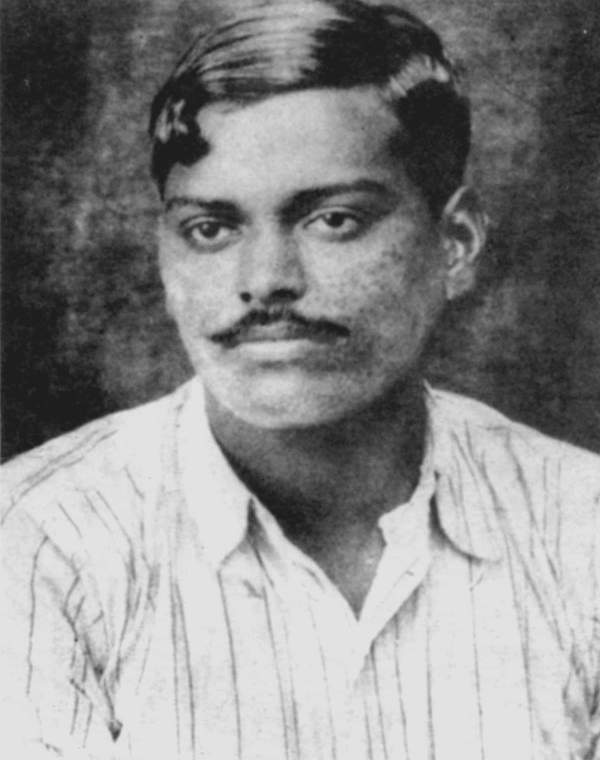
Chandra Shekhar Azad Biography: Age, Career, Family and More
Quick Info
Date of birth23 July 1906
Age24 (at time of death)
BirthplaceBhavra, Alirajpur State, British India
ProfessionIndian Freedom Fighter
NationalityIndian
Marital statusUnmarried
FamilyFather - Sitaram Tiwari; Mother - Jagrani Devi; Brother - Sukhdev
Chandra Shekhar Azad Biography
Chandra Shekhar Azad (born Chandra Shekhar Tiwari) was an Indian revolutionary who led militant youth against British rule. He reorganised the Hindustan (H
Early life and backgroundChandra Shekhar Tiwari, who later took the name Azad, was born on 23 July 1906 in Bhavra (then part of Alirajpur State, British India). His parents were Sitaram Tiwari, a gardener, and Jagrani Devi, a homemaker. The family had roots in Badarka village of Unnao district in Uttar Pradesh but moved to Alirajpur in Madhya Pradesh seeking a better livelihood. He had an elder brother named Sukhdev.
Azad received a traditional education and was sent to Kashi Vidyapeeth in Banaras, where he studied Sanskrit. He adopted the surname Azad after an arrest during the Non-Cooperation Movement; in court he gave his name as Azad, listed his father’s name as "Freedom," and gave his address as "Jail."
As a teenager he experienced hard working conditions in Bombay, where he worked on a ship as a painter and witnessed the treatment of Indian labourers under colonial rule. He also learned archery from Bhil boys in Jhabua district, a skill that later contributed to his reputation as an excellent marksman.
Career
Azad became involved in active politics at a young age. At about fifteen he took part in the Non-Cooperation Movement of 1921, protesting with fellow students and facing arrest for his participation. He was punished with imprisonment and corporal lashes following his court appearance.
Disappointed when Gandhi suspended the Non-Cooperation Movement in 1922, Azad moved toward revolutionary activity. Introduced to Ram Prasad Bismil by Manmath Nath Gupta, he joined the Hindustan Republican Association (HRA), an organisation founded in 1923 by Bismil and others. Azad quickly became a trusted and energetic member, helping to organise and finance actions aimed at challenging British rule.
He was associated with several high-profile operations of the period, including involvement in the Kakori train robbery in 1925 and the plot that led to the killing of J. P. Saunders in Lahore in 1928, carried out as a response to the death of Lala Lajpat Rai. After Bismil’s execution, Azad played a key role in reconstituting the HRA as the Hindustan Socialist Republican Association (HSRA) in 1928 and was recognised as its commander-in-chief, signing pamphlets under the pen name "Balraj."
Azad and his comrades attempted other bold actions against colonial authority, including plots against the Viceroy’s train in 1929. He trained in shooting and weapons handling, spent periods in Jhansi where he practised marksmanship and lived simply near a Hanuman temple, and acted as a mentor to younger revolutionaries. He also worked to build local support, teaching children in nearby villages and cultivating relationships with villagers and regional supporters who provided shelter, funds, and arms.
Public profile
Within revolutionary circles Azad was known by several sobriquets, including Azad, Balraj, and Panditji. He adopted socialist principles for his movement and rejected traditional caste and religious symbols among his followers. Comrades described him as restless and highly active; members of his circle sometimes referred to him as "Quick Silver." His marksmanship and daring in confrontations with police added to his reputation. He famously voiced a determination to remain free rather than be captured.
Death and legacy
On 27 February 1931 Azad was surrounded by police at Alfred Park (now called Azad Park) in Allahabad after a tip led officers to his meeting. During an armed encounter he inflicted injuries on police officers before, according to accounts, taking his own life with the last bullet he had, adhering to his pledge to never be taken alive. His body was cremated at Rasulabad Ghat; news of his death spread quickly and drew large public reaction.
Azad’s leadership in reorganising the HRA into the HSRA and his role as a militant organiser have made him a prominent figure in histories of India’s struggle for independence. His life, actions, and the dramatic circumstances of his death contributed to his enduring place in the national memory.
Latest updates
Chandra Shekhar Azad’s life and deeds continue to be recounted in biographies and histories of the Indian independence movement. Works by contemporaries and later chroniclers document his role in the HSRA and his relationships with fellow revolutionaries. Specific contemporary projects or commemorations were not detailed in the provided excerpt.
Editorial Review and Sources
This F4U profile is written from publicly available career and profile information, then reviewed for clarity before publication. If you spot an outdated detail about Chandra Shekhar Azad, send the page URL and a reliable correction source to f4udotin@gmail.com.
Reference context: StarsUnfoldedAccuracy
Request a Correction
Tell us what needs to be updated and share a reliable source so the editorial team can review it.
Ownership
Claim This Profile
If this profile is about you or your client, send your contact details and verification context.
Career Highlights
- Joined the Non-Cooperation Movement as a teenager and was arrested during a student protest in 1921.
- Joined the Hindustan Republican Association and participated in the Kakori train robbery (1925).
- Helped reorganise the HRA into the Hindustan Socialist Republican Association (HSRA) in 1928 and served as its commander-in-chief under the pen name Balraj.
- Planned and participated in armed actions against British officials, including the killing of J. P. Saunders (1928) and an attempted attack on the Viceroy’s train (1929).
Frequently Asked Questions
When was Chandra Shekhar Azad born?
Chandra Shekhar Azad was born on 23 July 1906.
What is Chandra Shekhar Azad known for?
Chandra Shekhar Azad is known for indian Freedom Fighter.
What is Chandra Shekhar Azad’s marital status?
Chandra Shekhar Azad's marital status is listed as Unmarried.
Related Biographies
View all →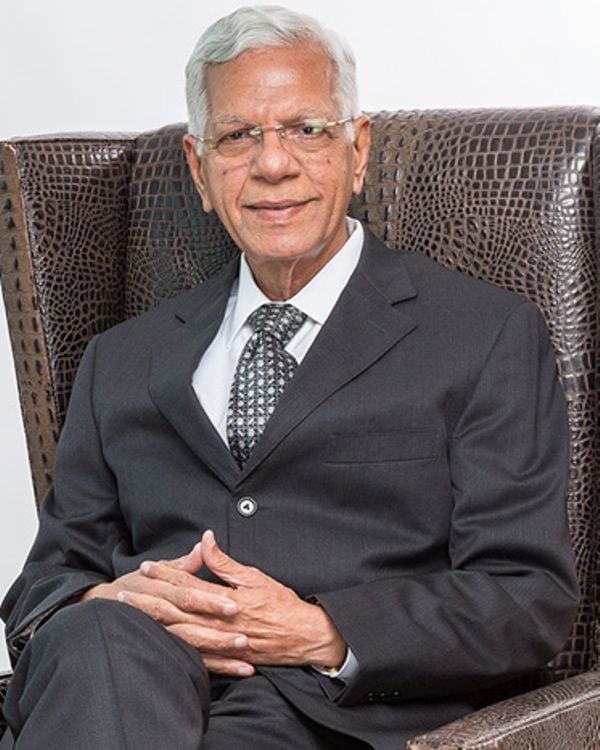 Celebrities
☑️Chandru Raheja
Chandru Lachmandas Raheja is an Indian businessman known for leading K. Raheja Corporation and for his long career in real estate, retail and hospitality.ト
Updated 2026-10-04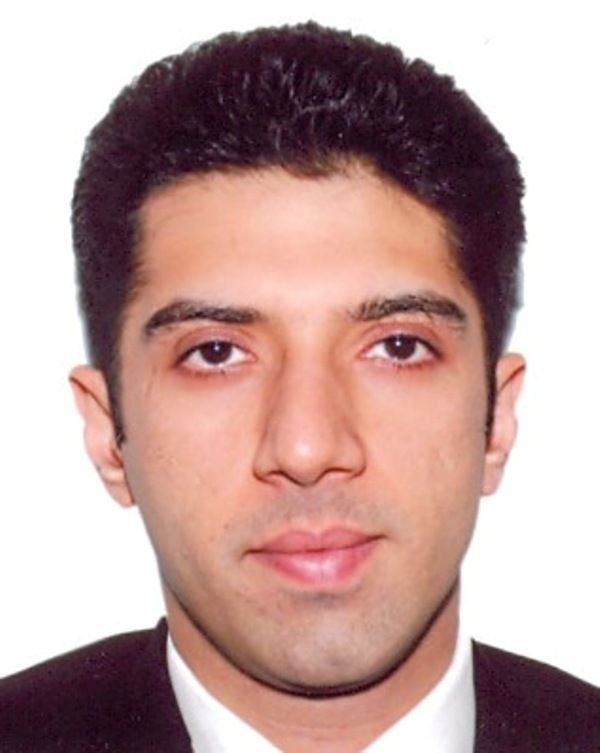 Celebrities
✅Neel Raheja
Neel Chandru Raheja is an Indian businessman who serves as Group President of K Raheja Corp. Born in Mumbai in 1974, he has guided the family's expansion—b
Updated 2026-10-04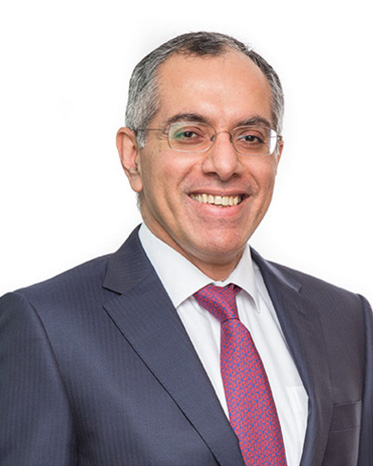 Celebrities
✅Ravi Raheja
Ravi Chandru Raheja is an Indian businessman known for his leadership role at K. Raheja Corporation. Born and raised in Mumbai, he holds degrees from the H
Updated 2026-10-04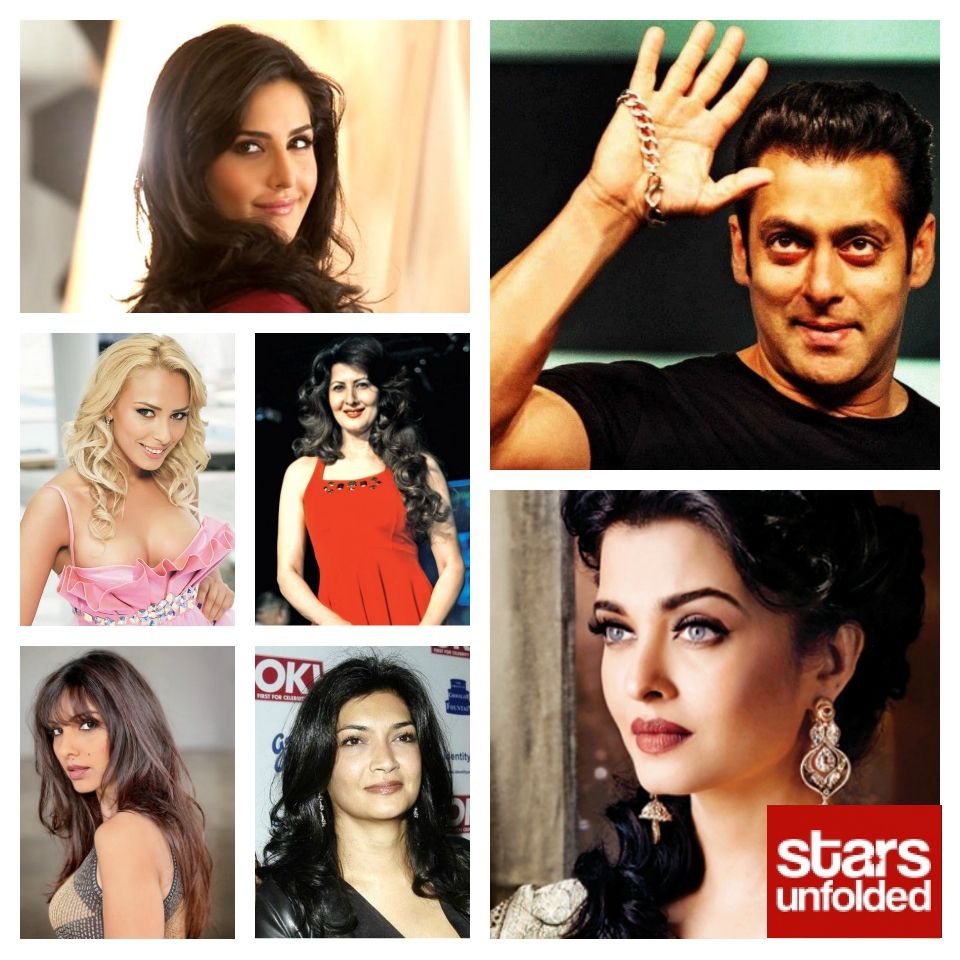 Celebrities
6 Girlfriends Of Salman Khan
A look at six women who have been linked to Bollywood star Salman Khan over the years, from early romances to high-profile relationships that captured wide
Updated 2026-10-04