
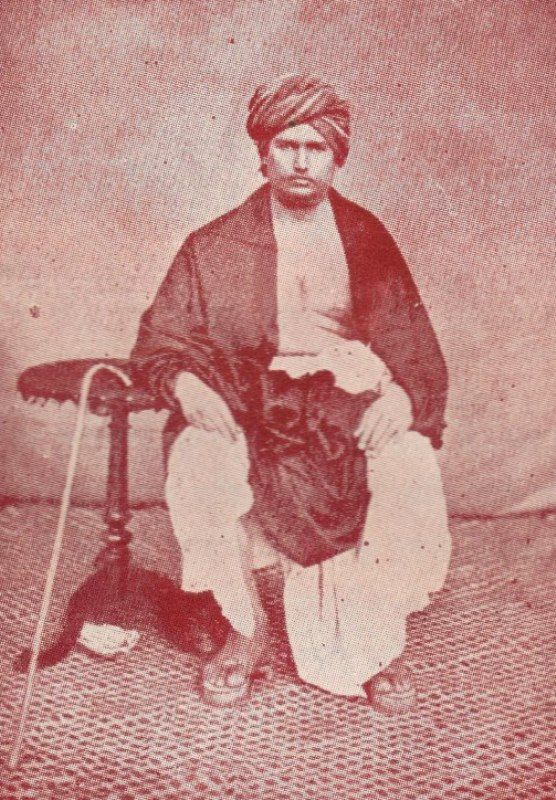
 Featured Biography
Image source: StarsUnfolded
Celebrities
Dayananda Saraswati Biography: Age, Career, Family and More
Quick Info
Date of birth12 February 1824
Age59 Years (at time of death)
BirthplaceJeevapar Tankara, Company Raj (present-day Mobi District, Gujarat, India)
ProfessionPhilosopher; Social Leader
NationalityIndian
Marital statusEngaged (at time of death)
FamilyFather - Karshanji Lalji Kapadi; Mother - Yashodabai; had a younger sister who died of cholera
Dayananda Saraswati Biography
Indian philosopher and social reformer who founded the Arya Samaj and campaigned for a return to Vedic principles, social reform, and education.
Early life and backgroundDayananda Saraswati was born Mul Shankar Tiwari on 12 February 1824 in Jeevapar Tankara, in the Kathiawad region of present-day Gujarat, India. He grew up in a Brahmin family; his father, Karshanji Lalji Kapadi, worked as a tax collector under Company rule. From an early age he was trained in traditional Brahmanical rites and received the Yajnopavita investiture at eight. Childhood experiences, including the death of his younger sister from cholera, helped shape his questioning of ritual practice and prompted a lifelong turn toward asceticism.
As a youth Mul Shankar gained a reputation for religious learning and public debate. He ran away from home in 1846 to avoid marriage and, after years of wandering as an ascetic, accepted formal initiation (Diksha) on the banks of the Narmada at about age 24. His initiator, Swami Purnananda Saraswati, gave him the name Dayananda Saraswati. Later he became a disciple of Swami Virjananda in Mathura, who urged him to study the Vedas and to spread their teachings.
Career
Dayananda dedicated his life to what he described as a recovery of true Vedic religion. He traveled widely across the subcontinent, engaging in debates and public teaching, and advocated principles such as celibacy, social reform, and education grounded in the Vedas. His campaign was often summarized as a call to “return to the Vedas,” which he presented as a corrective to contemporary ritual practice and superstition.
In Bombay on 10 April 1875 he founded the Arya Samaj, an organization built around tenets that emphasized equality and justice regardless of caste, class, gender, or nationality. The Arya Samaj promoted Vedic study, social reform measures such as widow remarriage and women’s access to religious learning, and missionary-style outreach aimed at reconverting people to what its leaders considered authentic Vedic practice. The movement established a lasting institutional presence and later spread internationally to communities in the United States, Canada, Trinidad, Mexico, the United Kingdom, and the Netherlands.
Dayananda wrote and published influential works that articulated his religious and social program. Major titles associated with his thought include Satyarth Prakash, Sanskarvidhi, and Yajurved Bhashyam, written and released in the 1870s and 1880s. His prose and polemical style attracted both followers and critics and helped shape debates about Hindu reform during the late nineteenth century.
Public profile
Dayananda’s ideas left a significant imprint on later Indian thinkers and political activists. He inspired figures involved in the Indian independence movement and influenced a number of writers and campaigners who drew on his call for national self-rule and cultural renewal. He was a vocal critic not only of prevailing Hindu rituals and priestly practices but also of other religious traditions; his published critiques of Christianity, Islam, Jainism, Sikhism, and Buddhism provoked controversy and strong responses from contemporaries.
He promoted social measures that challenged prevailing orthodoxies of his time: opposing idol worship, animal sacrifice, and other ritual practices he viewed as corruptions, while advocating for women’s rights to read sacred texts and for social practices such as widow remarriage. In 1876 he used the term “Swaraj” in a political sense, calling for self-rule, language that later resonated with freedom fighters.
Controversies
Dayananda’s work was frequently described as polemical. Some authors and historians characterized aspects of his rhetoric as radical or militant, and critics accused him of misrepresenting other faiths. His writings elicited sharp commentary from figures across the political and religious spectrum, and his positions on inter-religious matters remain a contentious part of his legacy.
Death and legacy
Dayananda Saraswati died on 30 October 1883 in Ajmer, in what was then British India. He was 59 years old. His death was recorded as an assassination. The organizations he established and the writings he produced continued to influence religious and social debates in India and among the Indian diaspora.
Latest updates
The Arya Samaj that he founded grew beyond its nineteenth-century origins to establish a presence in several countries. Dayananda’s major publications, particularly Satyarth Prakash, remain central to evaluations of his thought—both praised for their reforming zeal and criticized for their confrontational critique of other religions.
Editorial Review and Sources
This F4U profile is written from publicly available career and profile information, then reviewed for clarity before publication. If you spot an outdated detail about Dayananda Saraswati, send the page URL and a reliable correction source to f4udotin@gmail.com.
Reference context: StarsUnfoldedAccuracy
Request a Correction
Tell us what needs to be updated and share a reliable source so the editorial team can review it.
Ownership
Claim This Profile
If this profile is about you or your client, send your contact details and verification context.
Recent Work
Major reformist work that set out Dayananda’s critique of contemporary religious practice and his call to return to Vedic teachings.
1875 & 1884Text on ritual practice and reforms, published in the late 1870s and 1880s.
1877 & 1884A Vedic commentary written between 1878 and 1889.
1878 to 1889Career Highlights
- Founder of Arya Samaj (established 10 April 1875)
- Authored Satyarth Prakash, Sanskarvidhi, and Yajurved Bhashyam
- Promoted ‘Back to the Vedas’ movement and social reforms including women’s access to Vedic learning and widow remarriage
- Called for ‘Swaraj’ in 1876, influencing later independence activists
Frequently Asked Questions
When was Dayananda Saraswati born?
Dayananda Saraswati was born on 12 February 1824.
What is Dayananda Saraswati known for?
Dayananda Saraswati is known for philosopher; Social Leader.
What is Dayananda Saraswati’s marital status?
Dayananda Saraswati's marital status is listed as Engaged (at time of death).
Related Biographies
View all →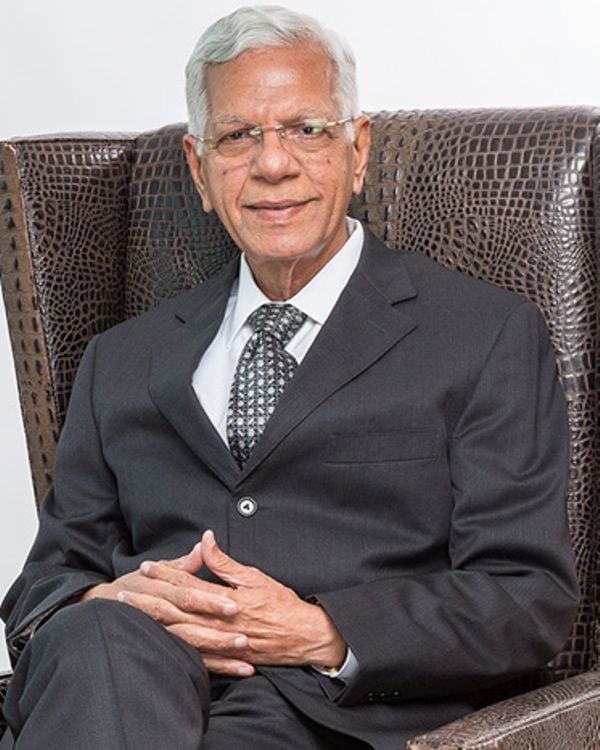 Celebrities
☑️Chandru Raheja
Chandru Lachmandas Raheja is an Indian businessman known for leading K. Raheja Corporation and for his long career in real estate, retail and hospitality.ト
Updated 2026-10-04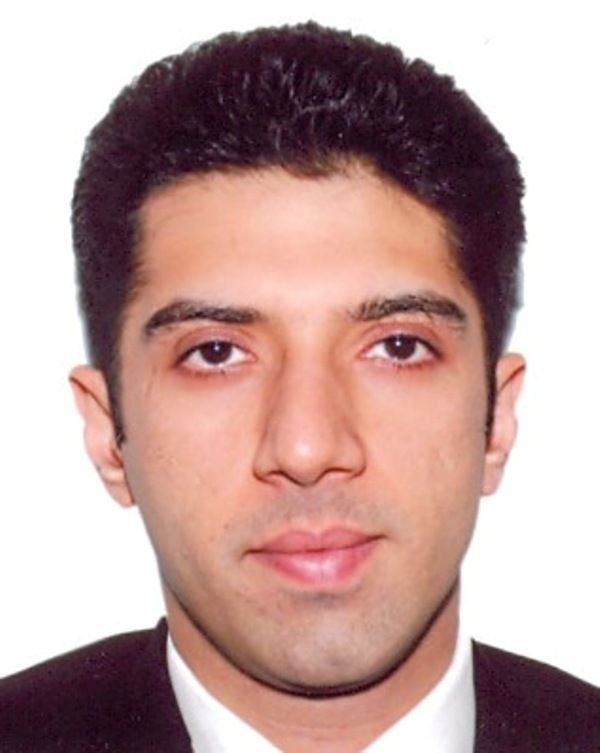 Celebrities
✅Neel Raheja
Neel Chandru Raheja is an Indian businessman who serves as Group President of K Raheja Corp. Born in Mumbai in 1974, he has guided the family's expansion—b
Updated 2026-10-04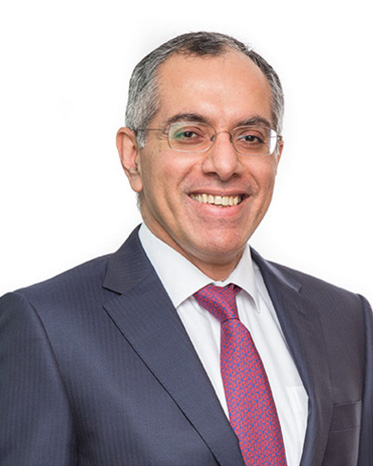 Celebrities
✅Ravi Raheja
Ravi Chandru Raheja is an Indian businessman known for his leadership role at K. Raheja Corporation. Born and raised in Mumbai, he holds degrees from the H
Updated 2026-10-04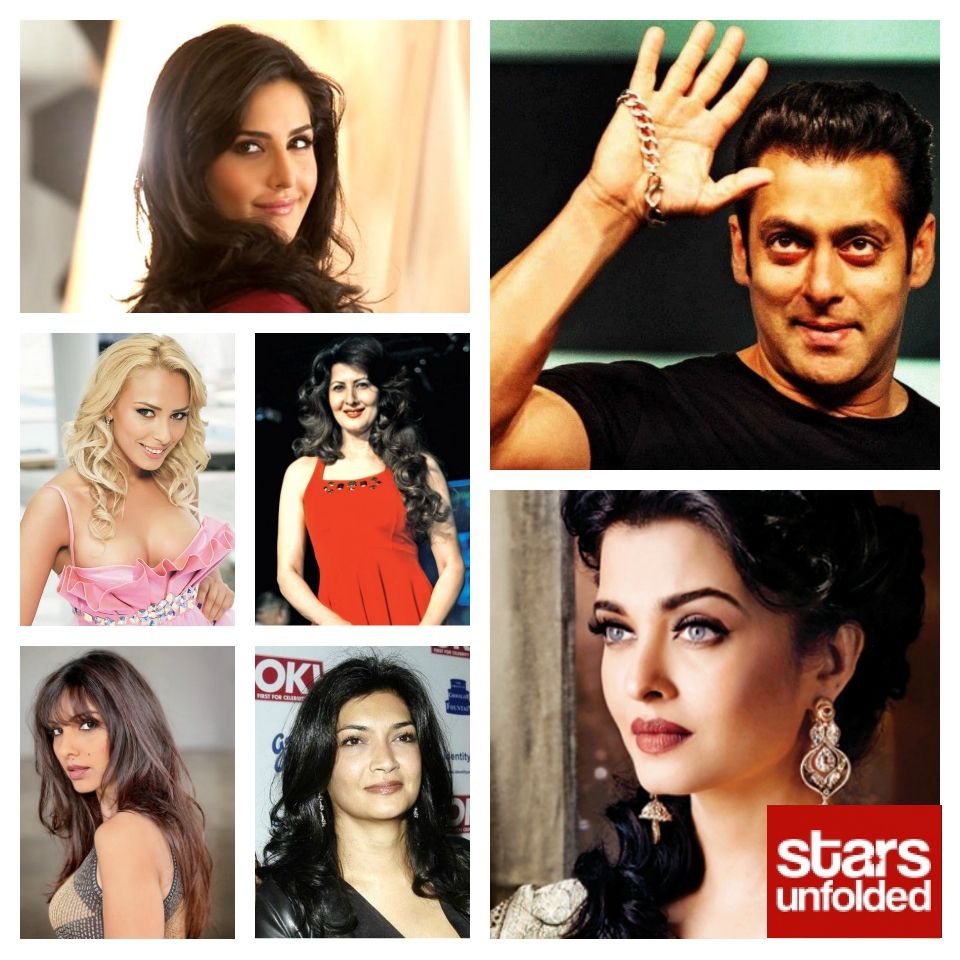 Celebrities
6 Girlfriends Of Salman Khan
A look at six women who have been linked to Bollywood star Salman Khan over the years, from early romances to high-profile relationships that captured wide
Updated 2026-10-04