
 Featured Biography
Image source: StarsUnfolded
Celebrities
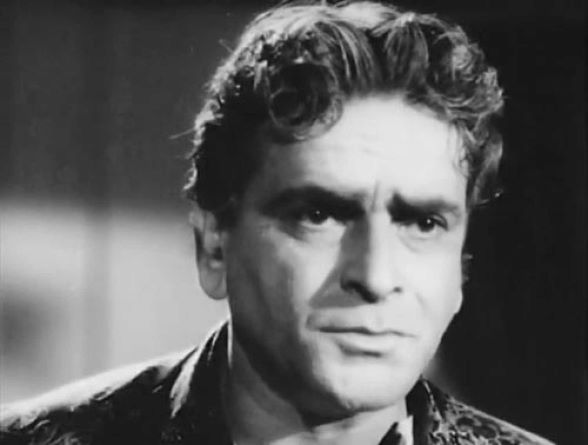
Prithviraj Kapoor Biography: Age, Career, Family and More
Quick Info
Date of birth3 November 1906
Age65 Years
BirthplaceSamundri, Punjab, British India (present-day Punjab, Pakistan)
ProfessionActor and Filmmaker
NationalityIndian
Marital statusMarried
SpouseRamsarni Kapoor
FamilyRaj Kapoor; Shammi Kapoor; Shashi Kapoor; Urmila Sial Kapoor
Prithviraj Kapoor Biography
Prithviraj Kapoor was a pioneering actor and filmmaker whose work across stage and screen helped shape Indian theatre and Hindi cinema. Founder of Prithvi
Early life and backgroundPrithviraj Kapoor was born on 3 November 1906 in Samundri in the then Punjab Province of British India (now in Pakistan). He grew up in a Punjabi Hindu Khatri family. His father, Basheshwarnath Kapoor, worked as a sub‑inspector in the British police and the family later moved to Peshawar when his father was transferred there. Prithviraj received his higher education at Edwardes College, Peshawar, where he completed a B.A. He briefly enrolled in a one‑year law program with the intention of becoming a lawyer but left his studies to pursue the stage.
Career
Prithviraj Kapoor began performing as a teenager in local theatres in Lyallpur and Peshawar. He moved to Bombay in 1928 and started getting small film assignments from the Imperial Film Company. His screen debut came in the late 1920s as an extra in Be Dhari Talwar, and within a year he was cast in a lead role. He acted in several silent films before appearing in Alam Ara (1931), India’s first talkie, in a supporting part.
Across the 1930s and 1940s Kapoor balanced stage and screen work, building a reputation as a versatile performer. Notable screen appearances included Vidyapati (1937) and Sikandar (1941), in which he portrayed Alexander the Great to wide appreciation. He continued to take strong character roles through the 1950s and 1960s, delivering a much‑remembered performance as the Mughal emperor Akbar in Mughal‑e‑Azam (1960). Later roles included parts in Harishchandra Taramati (1963), Kal Aaj Aur Kal (1971), and a series of Punjabi films such as Nanak Naam Jahaz Hai (1969), Nanak Dukhiya Sub Sansar (1970), and Mele Mittran De (1972). He also made his Kannada film debut in Sakshatkara (1971).
Theatre was central to Kapoor’s life. In 1944 he established Prithvi Theatres, a travelling company that staged hundreds of performances and became a training ground for many actors, directors and playwrights. The company staged socially and politically engaged plays during the independence movement that connected with audiences across the country. Over its first sixteen years the troupe performed thousands of shows, with Kapoor frequently appearing as the lead. As cinema grew in popularity in the 1950s, many theatre practitioners associated with Prithvi Theatres transitioned into film; eventually Kapoor himself reduced his stage workload and accepted more film roles, sometimes in projects produced by his sons.
Public profile
Prithviraj Kapoor was a founding member of the Indian People’s Theatre Association and is widely regarded as a foundational figure in Hindi theatre and cinema. His contributions were recognised by the Government of India and cultural institutions: he received the Sangeet Natak Akademi Fellowship and Award, was appointed to the Rajya Sabha (serving from April 1952 to April 1960), and was awarded the Padma Bhushan in 1969. After his death he was posthumously honoured with the Dadasaheb Phalke Award for the year 1971.
Personal life and family
Prithviraj married Ramsarni Mehra in an arranged marriage when he was about 17 and she was 15. The couple had several children, among them Raj Kapoor, Shammi Kapoor and Shashi Kapoor, all of whom became prominent figures in Indian cinema. They also had a daughter, Urmila Sial. Two of their early children died in childhood. Prithviraj’s extended family included siblings and half‑siblings who were also connected to the film world.
Later years and legacy
Later in life Kapoor lived near Juhu Beach in a cottage called Prithvi Jhonpra. After his passing his family preserved parts of his property and the Prithvi name continued in theatrical ventures; his son Shashi later transformed a cottage into a small experimental venue known as Prithvi Theatre. The Government of India has commemorated him on postage stamps, and a memorial named Rajbaugh was established by his family at their farmhouse near Pune. Prithviraj Kapoor died of cancer on 29 May 1972 in Bombay. He was 65 years old at the time of his death.
Latest updates
Prithvi Theatres’ Golden Jubilee and later commemorations prompted postal honours: a stamp issued in 1996 marked the theatre’s anniversary, and another stamp issued in 2013 for the centenary of Indian cinema features his image. His performances, theatre work and role as the patriarch of a multi‑generational film family remain central to his public memory.
Editorial Review and Sources
This F4U profile is written from publicly available career and profile information, then reviewed for clarity before publication. If you spot an outdated detail about Prithviraj Kapoor, send the page URL and a reliable correction source to f4udotin@gmail.com.
Reference context: StarsUnfoldedRecent Work
Punjabi film appearance
1972Punjabi film appearance
1970Punjabi film appearance
1969Featured as a grandfather alongside his son and grandson
1971Career Highlights
- Founder of Prithvi Theatres (1944)
- Performed in India’s first talkie, Alam Ara (1931)
- Sangeet Natak Akademi Fellowship and Award recipient
- Served as a Rajya Sabha member (1952–1960)
- Awarded the Padma Bhushan (1969)
- Posthumous Dadasaheb Phalke Award for 1971
Frequently Asked Questions
When was Prithviraj Kapoor born?
3 November 1906
What is Prithviraj Kapoor known for?
Actor and Filmmaker
What is Prithviraj Kapoor’s marital status?
Married
Who is Prithviraj Kapoor married to?
Ramsarni Kapoor
Related Biographies
View all →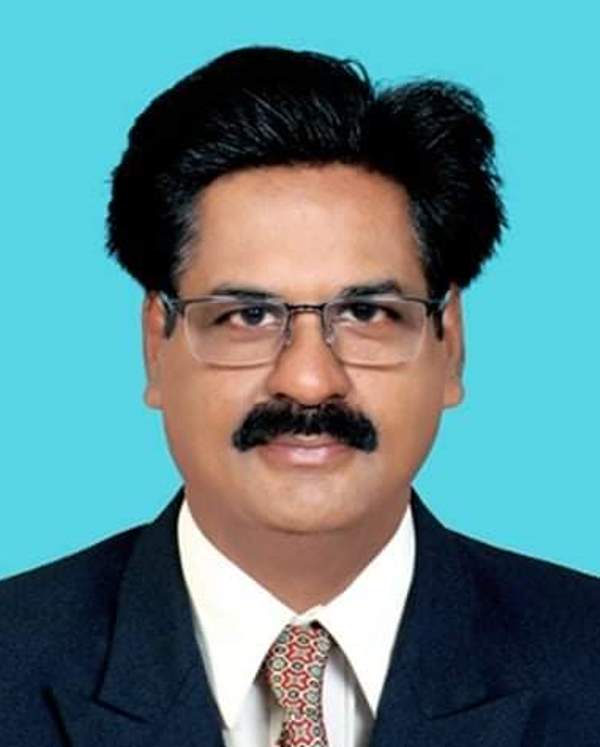 Celebrities
A Rajarajan
A Rajarajan is an Indian scientist and director of the Satish Dhawan Space Centre (SDSC SHAR) at Sriharikota. A composites specialist with a BE in机械工程, he
Updated 2026-09-15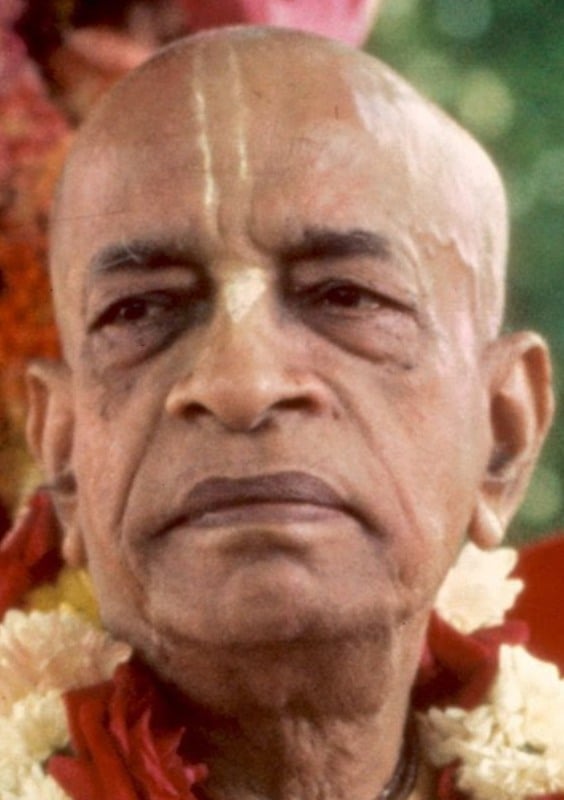 Celebrities
A. C. Bhaktivedanta Swami Prabhupada
A. C. Bhaktivedanta Swami Prabhupada (born Abhay Charanaravinda De) was an Indian spiritual teacher who founded the International Society for Krishna Consc
Updated 2026-10-03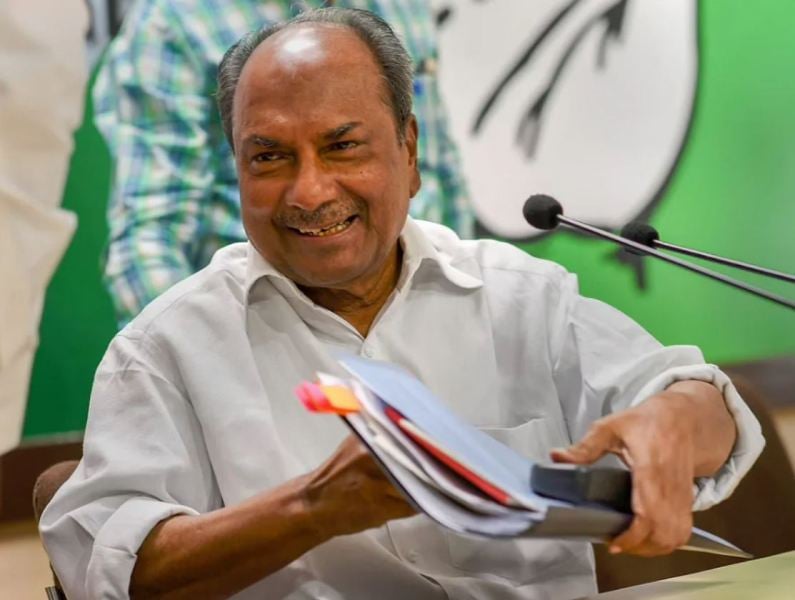 Celebrities
A. K. Antony
A. K. Antony is a veteran Indian politician from Kerala who served three times as Chief Minister of the state and for eight continuous years as India’s the
Updated 2026-09-04 Celebrities
A. K. Hangal,
A. K. Hangal was a veteran Indian actor whose long career in film and theatre began after a lifetime of political activism and stage work. Born in 1914 inS
Updated 2026-10-03